


Sofgent Logo
Case Studies

Document intelligence pipeline that turned 50K PDFs into structured data

Case Study

Document intelligence pipeline that turned 50K PDFs into structured data

Replaced manual PDF review with an OCR + extraction + validation pipeline. Engagement shipped in 18 days with a human-in-the-loop review queue and structured outputs feeding downstream systems.

Client
Operations team — financial services
Industry
Document Automation
Duration
18 days
Operations dashboard showing extracted document fields, review queue, and throughput metrics

Outcome

50K+

Documents processed

first 30 days

82%

Manual work removed

vs. baseline

18d

From kickoff to production

<1%

Error rate

human-reviewed

Architecture

How the system fits together.

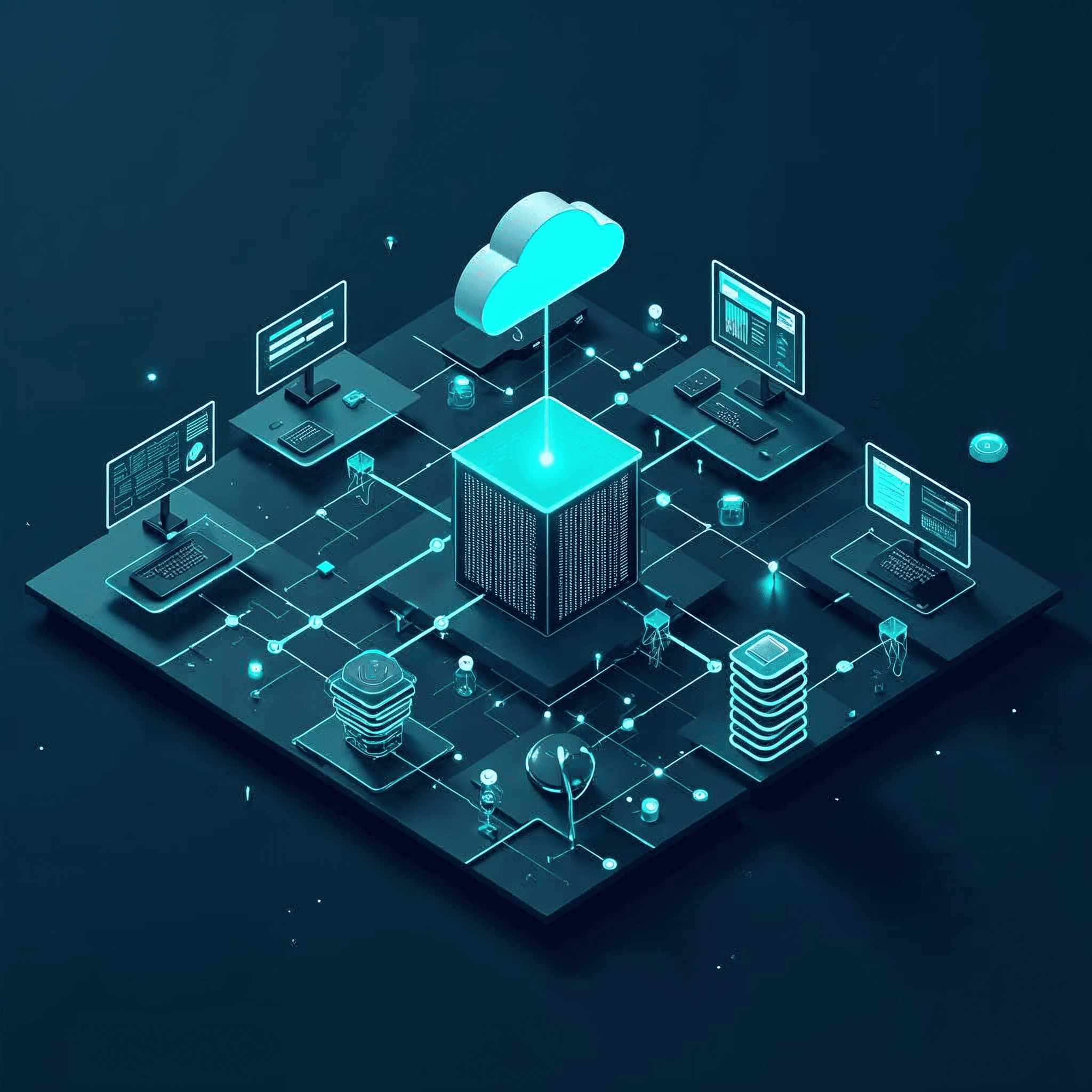
Architecture diagram of the document intelligence pipeline: ingestion, OCR, extraction, validation, output

The Problem

Where the engagement started.

The team was processing thousands of supplier and compliance PDFs per week by hand. Three full-time analysts split their day between data entry, exception triage, and reporting.

Earlier OCR pilots failed because the output had no validation layer and dumped raw text into spreadsheets that no downstream system could trust.

Our Approach

How we cut the scope and de-risked the build.

We mapped the document taxonomy in week one, locked the canonical schema, and identified the three highest-volume document classes that drove most of the manual labor.

The pipeline ingests via S3 drop, runs OCR through a vendor model, applies field-level extraction prompts, and pushes results into a Postgres schema with strict types.

Every record gets a confidence score. Anything below the threshold lands in a review queue with the original document side-by-side; reviewers approve or correct in a single click.

The Outcome

What changed after the system shipped.

The pipeline now ingests 50K+ documents in the first month with a sub-1% post-review error rate.

Two of the three analysts moved off data entry into exception handling and process improvement.

Downstream reporting pipelines pull directly from the structured schema, so the operations leader gets a live view that used to lag by a week.

Tech Stack

  • Next.js
  • Node.js
  • Postgres
  • Tesseract / vendor OCR
  • OpenAI
  • AWS S3
  • Sentry

Want a similar outcome?

Map your build before you start.

A 20-minute conversation is enough to surface scope creep, architecture risk, and the fastest path to production.